Signs Your Air Conditioner Needs Immediate Repair

As the summer heat rolls in, the last thing you want is for your air conditioner to fail. A malfunctioning AC unit can turn your home into an uncomfortable sauna, making it essential to recognize the signs that your air conditioner needs immediate repair. In this blog post, we will explore the common indicators that your cooling system is in distress and what steps you can take to address these issues promptly.

Understanding Your Air Conditioner
Before diving into the signs of a failing air conditioner, it’s important to understand how your AC unit works. Most air conditioning systems operate using a refrigerant that absorbs heat from inside your home and releases it outside. This process involves several components, including the compressor, condenser, evaporator coil, and expansion valve. When any of these parts malfunction, it can lead to decreased efficiency or complete breakdown.
Common Signs of AC Problems
1. Insufficient Cooling
One of the most obvious signs that your air conditioner needs repair is insufficient cooling. If you notice that your home is not reaching the desired temperature, it could indicate a problem with the refrigerant levels, a malfunctioning compressor, or a dirty evaporator coil.
What to do: Check your thermostat settings first. If they are correct and the problem persists, it’s time to call a professional technician to diagnose the issue.
2. Unusual Noises
Air conditioners are designed to operate quietly. If you hear strange noises such as grinding, squealing, or banging, it’s a clear sign that something is wrong. These sounds could indicate loose parts, a failing motor, or even debris caught in the fan.
What to do: Turn off your AC unit immediately to prevent further damage and contact a repair service to investigate the source of the noise.
3. Foul Odors
If you detect a musty or burning smell coming from your air conditioner, it’s crucial to address it right away. A musty odor could indicate mold growth within the unit, while a burning smell may suggest electrical issues or overheating components.
What to do: Turn off the AC and inspect the unit for any visible signs of mold or damage. If you cannot identify the problem, seek professional help to ensure your safety.
4. Frequent Cycling
If your air conditioner frequently turns on and off, this is known as short cycling. This issue can lead to increased energy bills and unnecessary wear on your system. Short cycling can be caused by a malfunctioning thermostat, dirty air filters, or an oversized AC unit.
What to do: Check and replace your air filters if they are dirty. If the problem continues, consult a technician to assess your system’s size and thermostat functionality.
5. High Humidity Levels
An effective air conditioning system should help reduce humidity levels in your home. If you notice that your indoor air feels sticky or humid, it may indicate that your AC is not functioning properly. This could be due to a refrigerant leak or a malfunctioning compressor.
What to do: Monitor the humidity levels in your home. If they remain high despite running the AC, it’s time to call a professional for a thorough inspection.
Additional Signs to Watch For
6. Water Leaks
Water pooling around your air conditioning unit is a sign of a serious problem. This could be due to a clogged drain line, a damaged condensate pan, or a refrigerant leak. Ignoring this issue can lead to water damage in your home.
What to do: Inspect the area around your AC for leaks. If you find any, turn off the unit and contact a technician to resolve the issue.
7. Increased Energy Bills
If you notice a sudden spike in your energy bills without a corresponding increase in usage, your air conditioner may be working harder than it should. This could be due to inefficiencies caused by dirty filters, low refrigerant levels, or mechanical issues.
What to do: Review your energy usage and consider scheduling a maintenance check to identify and fix any underlying problems.
8. Thermostat Issues
If your thermostat is not accurately reading the temperature or is unresponsive, it can lead to improper cooling. This can cause your air conditioner to work harder, leading to increased wear and tear.
What to do: Test your thermostat by adjusting the temperature settings. If it does not respond, consider replacing it or having it calibrated by a professional.
Preventative Maintenance Tips
To avoid the need for emergency repairs, regular maintenance of your air conditioning system is essential. Here are some tips to keep your AC running smoothly:
Change Filters Regularly: Replace or clean your air filters every 1-3 months to ensure proper airflow and efficiency.
Schedule Annual Inspections: Have a professional technician inspect your AC unit at least once a year to catch potential issues early.
Keep the Area Clear: Ensure that the area around your outdoor unit is free of debris, plants, and other obstructions to allow for proper airflow.
Monitor Refrigerant Levels: Regularly check refrigerant levels and look for signs of leaks. If you suspect a leak, contact a professional immediately.
When to Call a Professional
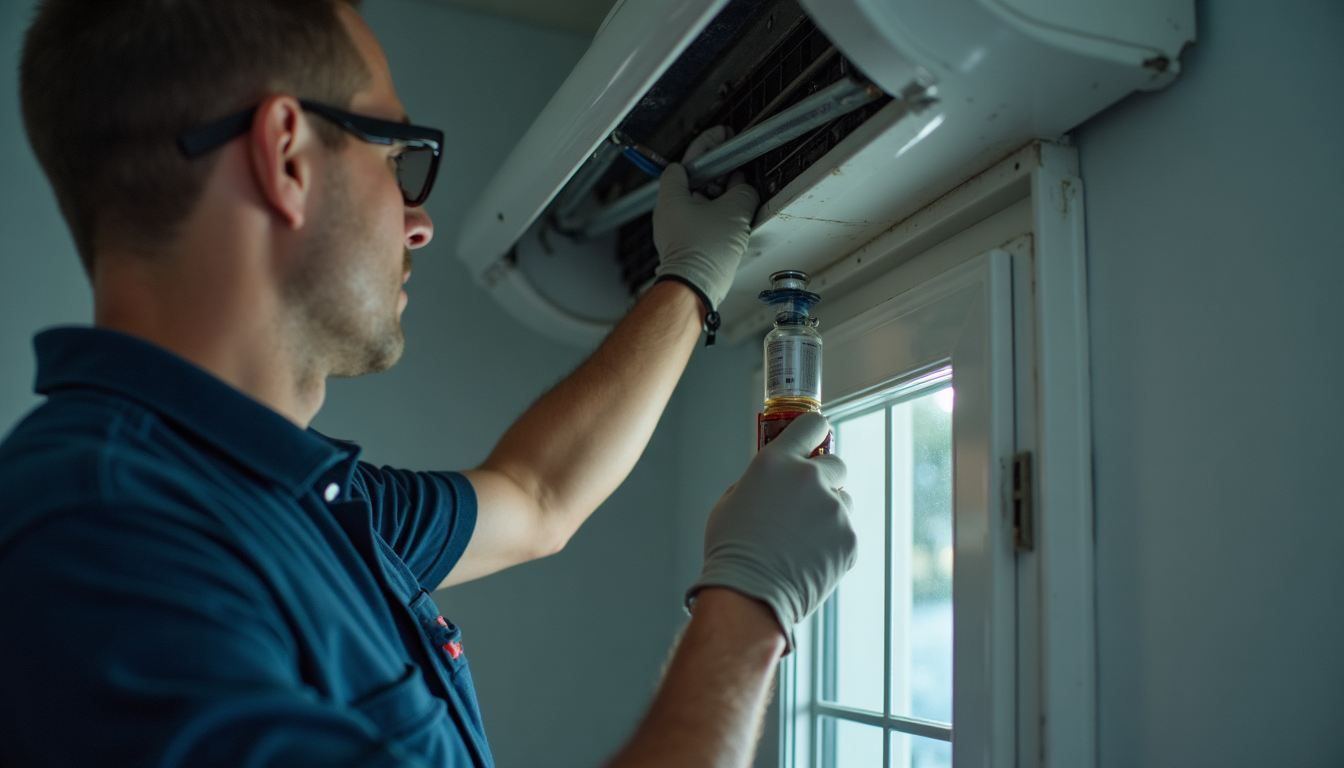
While some minor issues can be addressed by homeowners, many problems require the expertise of a trained technician. If you experience any of the signs mentioned above, it’s best to err on the side of caution and seek professional help. Attempting to fix complex issues without the necessary knowledge can lead to further damage and costly repairs.
Conclusion
Recognizing the signs that your air conditioner needs immediate repair can save you from discomfort and costly repairs down the line. By staying vigilant and addressing issues as they arise, you can ensure your home remains cool and comfortable throughout the hot months. Remember to prioritize regular maintenance and don’t hesitate to call a professional when needed. Keeping your air conditioning system in top shape is essential for your comfort and peace of mind.
Comments